
Work in Progress and Planned
On this page we share the projects we are carrying out and planning in the fields of solar energy, lightweighting, energy and water efficiency, scrap reduction, logistics and recycling. For each project we explain the objective, the method and the expected benefits.
Project texts labelled DRAFT are being verified; the scope and numerical targets will be updated once approved.
The video shows the first phase of the plant in 2023. Video: Entegro Türkiye
2.9 MW Rooftop Solar Power Plant
In operation · 2023
Objective. To generate part of the factory’s electricity needs from a renewable source, on our own roof.
What are we doing? In 2023 we installed and commissioned a solar power plant on the roof of our factory in Kemalpaşa; we later expanded the plant to an installed capacity of 2.9 MW.
How does it work? The panels on the roof feed the electricity they generate directly into the facility’s own consumption. Part of the electricity used by the production lines, dryers and auxiliary systems is generated on site instead of being drawn from the grid.
Benefits. A reduction in electricity drawn from the grid and in the related indirect emissions; a more predictable energy cost structure.
Lightweight Preform and Jar Programme
Draft — to be verified.
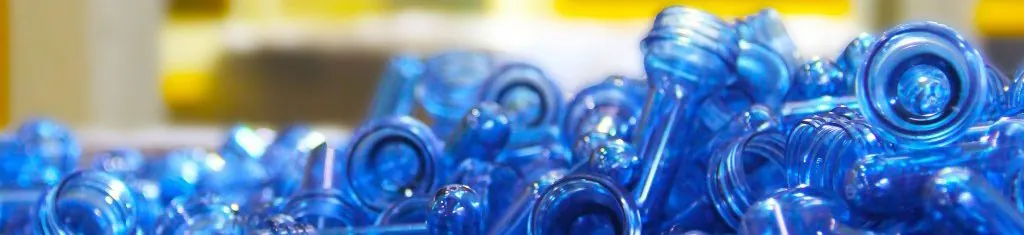
Objective. To reduce the amount of PET used per unit in standard preforms and jars while maintaining top-load, leak-tightness and shelf-life performance.
What are we doing? Starting with high-volume products, we are reworking preform and jar designs. We carry out R&D on wall thickness distribution and neck and base geometry; in suitable projects, we evaluate with our customers a transition to shorter and lighter neck finish standards.
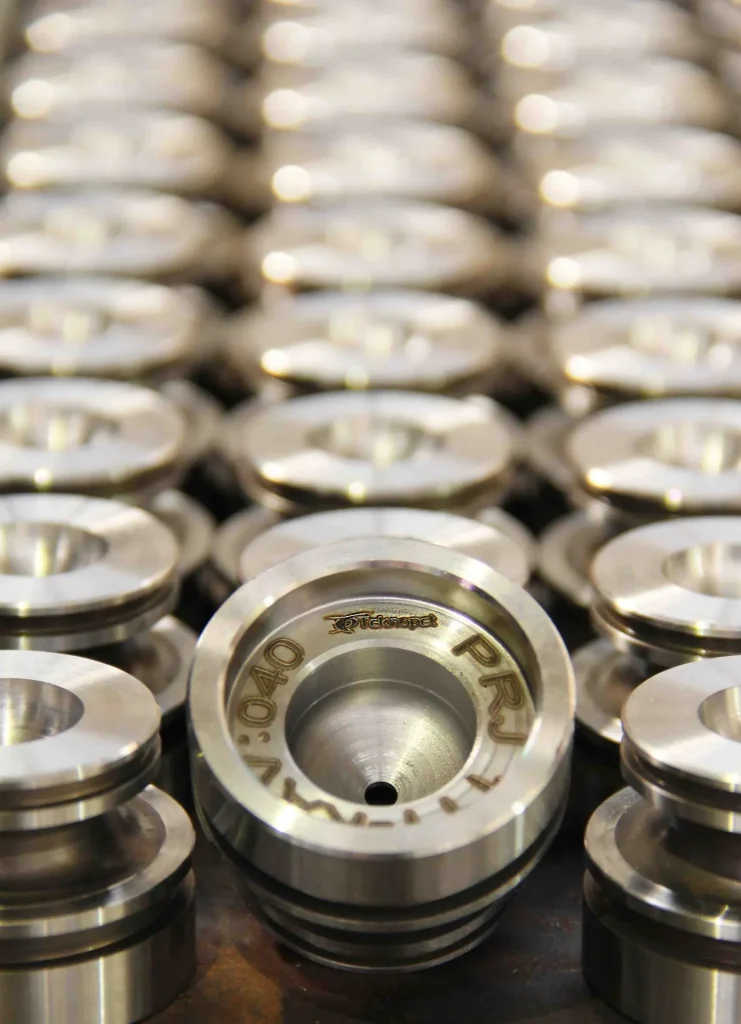
How does it work? The new design is turned into a mould in our mould shop. Samples undergo weight, dimension, wall thickness, top-load and leak-tightness tests and are then trialled on the customer’s filling line. The design that passes the tests is put into series production and replaces the old design.
Expected benefits. Less raw material per unit, less energy in injection and blow moulding, lighter shipments and lower packaging costs.
Target: To reduce weight gradually, starting with high-volume products.
rPET Transition Study
Draft — to be verified.
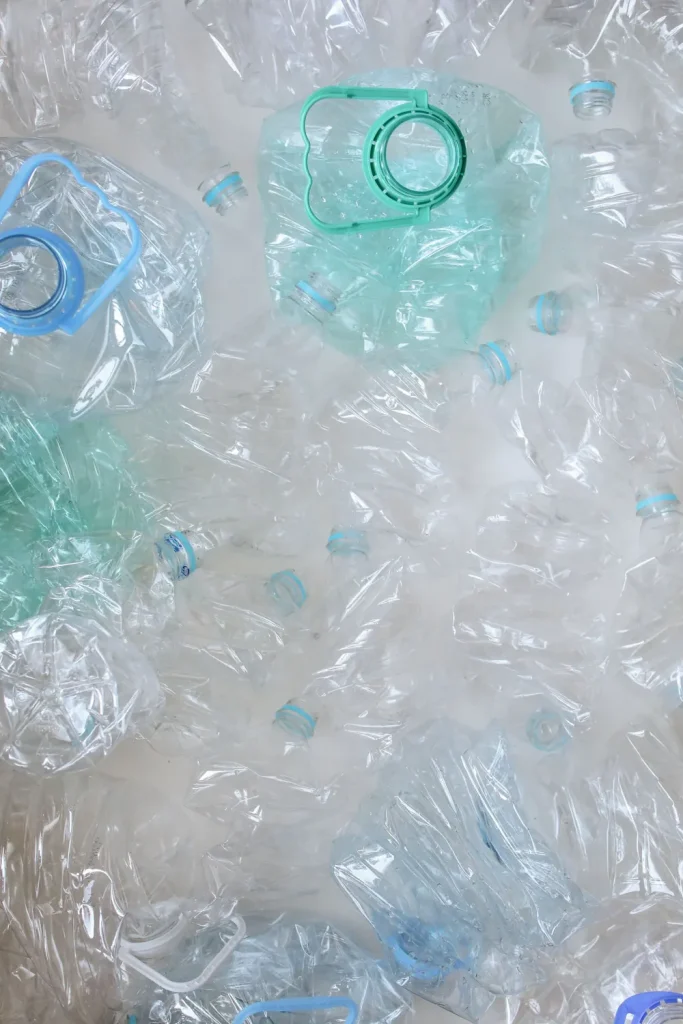
Objective. To determine in which products, and at what rates, recycled PET (rPET) that is suitable for food contact and produced through authorised processes can be used.
What are we doing? Today, all of our production uses 100% virgin raw material because of food safety requirements. In this study we are examining rPET supply options, the requirements of Turkish and EU legislation and the recycled content targets in export markets.
How does it work? The rPET rate is increased gradually in trial batches. I.V., colour, acetaldehyde and blow moulding behaviour are compared with virgin raw material in our laboratory. Compliance documents are checked throughout the supply chain; rPET is not used in any product without customer approval.
Expected benefits. Readiness for recycled content requirements in export markets and a reduced need for virgin raw material.
Target: To determine suitable product groups and rPET rates together with our customers.
Energy Efficiency on Production Lines
Draft — to be verified.
Objective. To measure and reduce energy consumption per unit of product in injection lines, dryers, compressors and chillers.
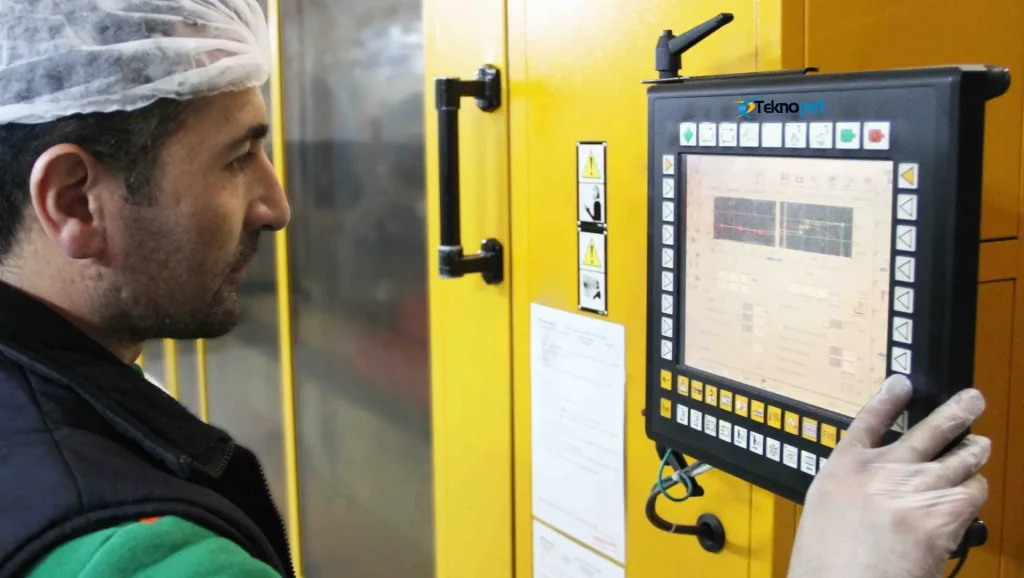
What are we doing? We monitor energy consumption line by line and regularly review idle running times, compressed air leaks and drying parameters. For our customers, we are also developing preform options with special additives that consume 15–20% less energy during blow moulding.
How does it work? Meter data are matched with production quantities to calculate consumption per unit. Maintenance, adjustment and equipment renewal are planned for lines showing deviations. Well-tuned drying and cooling shorten the cycle time and thereby also reduce energy consumption.
Expected benefits. Lower energy consumption per unit of product and the related reduction in emissions; energy savings on our customers’ blow moulding lines.
Target: To measure and reduce energy consumption per unit of product on a regular basis.
Zero Scrap and Waste Recovery
Draft — to be verified.
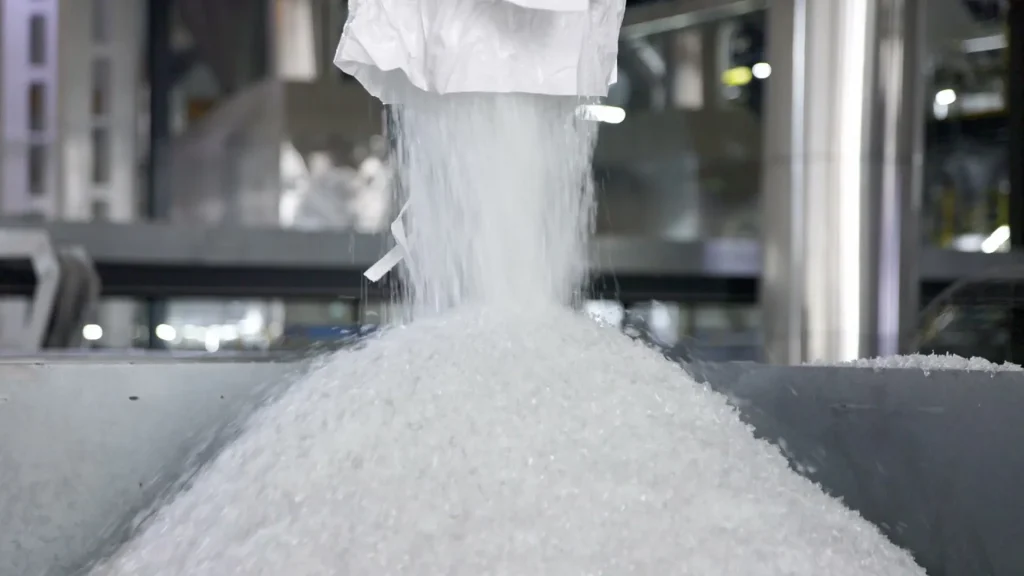
Objective. To reduce scrap generated in production at source and to send the clean PET waste that inevitably arises for recycling.
What are we doing? We record the causes of scrap by line and mould cavity, focusing in particular on reducing the scrap generated during start-ups and colour changes. Because we do not use regrind in our food-contact products, we collect clean production waste separately and direct it to recycling companies.
How does it work? 24/7 laboratory checks catch defects early; mould maintenance is carried out on a planned basis. Our own mould shop and spare parts production shorten response times in the event of breakdowns. On the customer side, filling line scrap can be reduced to as low as 0.01% with products made on Husky lines.
Expected benefits. Less raw material loss, less waste and a more stable production process.
Target: To reduce scrap at source and direct clean production waste to recycling.
Pallet and Truck Load Optimisation
Draft — to be verified.
Objective. To reduce transport-related emissions and logistics costs by increasing the number of products carried per shipment.
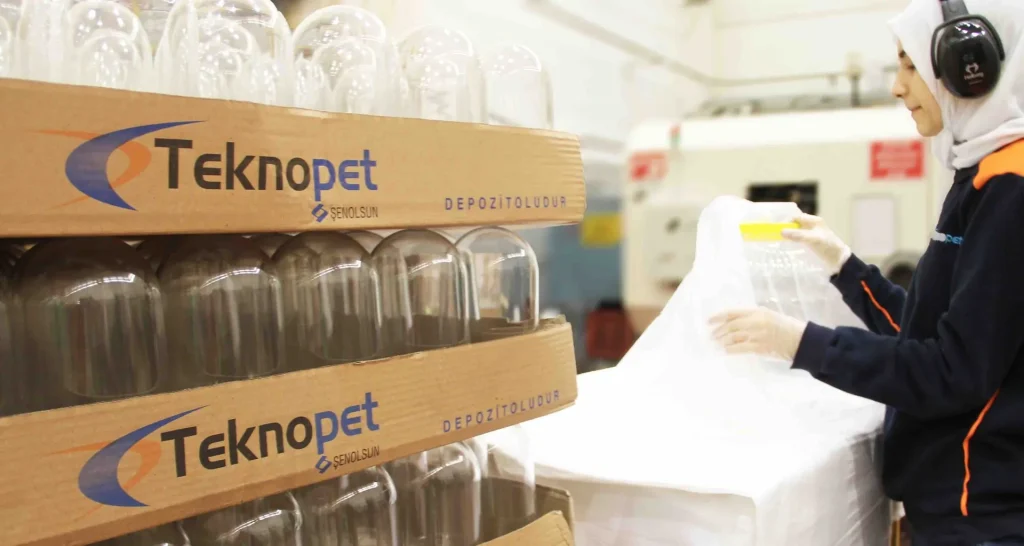
What are we doing? We calculate package quantities, carton dimensions, pallet patterns and truck and container load plans product by product. For jars, we compare capacities depending on whether caps are fitted to the jar or shipped in separate cartons, and whether shipments are in bags or on pallets.
How does it work? This logistics data is available to our members on our product pages; our customers can choose the most efficient shipping arrangement for their orders. All shipments are made in fully enclosed vehicles checked against the risk of contamination.
Expected benefits. More products per shipment, fewer trips, lower fuel consumption and transport costs.
Target: To monitor and increase vehicle load factors product by product.
Cooling Water and Resource Management
Draft — to be verified.
Objective. To reduce water consumption and losses by keeping the water used to cool injection moulds and machines in a closed circuit.
What are we doing? We monitor water losses and water quality in the cooling circuits and carry out planned maintenance of mould cooling channels. Because scale and fouling reduce cooling efficiency, water conditioning is an important part of this work.
How does it work? The water circulating in the closed-circuit cooling system is checked regularly; leaks are repaired and filter and heat exchanger maintenance is planned. Efficient cooling shortens the mould cycle time and also reduces energy consumption.
Expected benefits. Lower mains water consumption, more stable process temperatures and shorter cycle times.
Target: To monitor cooling water consumption regularly and reduce losses.
Recycling Partnerships
Draft — to be verified.
Objective. To contribute to the collection of the packaging we produce after use and its conversion into high-quality secondary raw material.
What are we doing? We work with our customers on design for recyclability: colour selection, labels and adhesives, cap material. We are evaluating opportunities for cooperation with recycling companies and industry organisations.
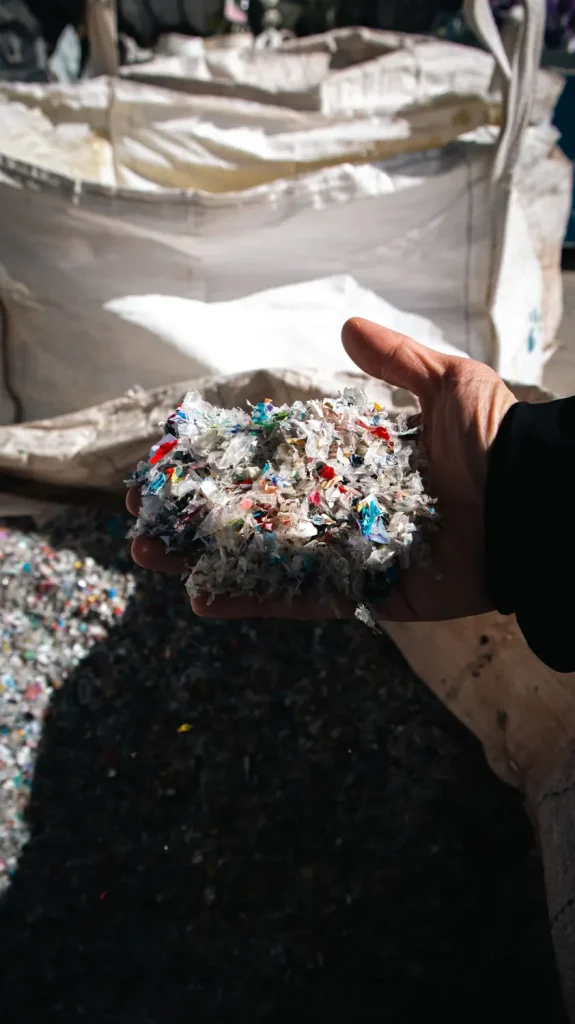
How does it work? Designs are based on the European PET Bottle Platform (EPBP) and RecyClass guidelines. Production waste is passed on to recycling companies. Deposit return and extended producer responsibility schemes in Türkiye are closely monitored.
Expected benefits. Higher-quality secondary raw material and, in the future, the possibility of local supply of food-contact rPET.
Target: To develop partnerships with recycling companies and industry organisations.
Let’s Reduce the Environmental Impact of Your Packaging Together
Talk to our technical team about weight, neck finish standard and shipping arrangement.